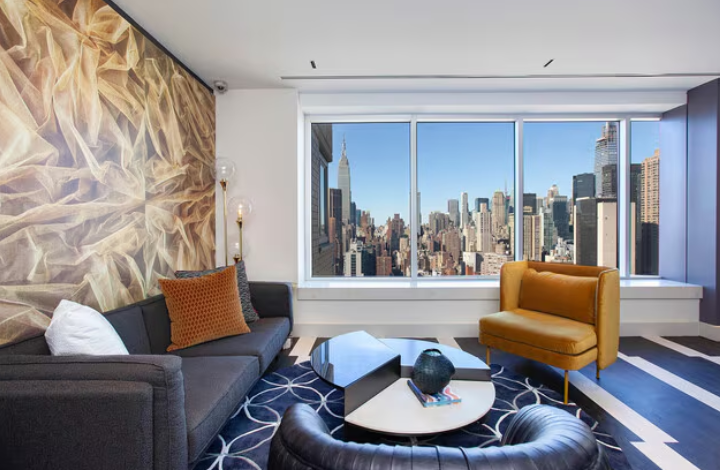
Professionals traveling to New York for projects, training, relocations, or temporary assignments need accommodation that supports both work and everyday life. Unlike short business trips, extended stays require more attention to comfort, location, flexibility, and practical amenities. corporate housing nyc offers a home-like alternative to traditional hotels, giving professionals access to furnished living spaces and features designed for longer stays. However, choosing the right accommodation requires careful consideration of several factors, including transportation, workspace, cost, lease terms, neighborhood convenience, and personal lifestyle needs.
Consider the Length of Your Stay
The first step is to determine how long you expect to remain in New York.
A professional staying for two weeks may have different requirements from someone working on a six-month assignment. Extended-stay properties can have different minimum rental periods, payment schedules, and cancellation policies.


Knowing your approximate dates can help narrow the available options. If your project schedule may change, consider housing that offers flexibility for extending the stay when possible.
Having a clear timeline also makes it easier to calculate the total accommodation cost.
Choose a Convenient Location
New York is a large metropolitan area, and the location of your temporary home can have a major impact on your daily routine.
Consider where you will work and how often you will need to travel there. A property close to your workplace may reduce commuting time, while accommodation near a major transportation connection may provide greater flexibility.
You should also consider proximity to restaurants, grocery stores, pharmacies, fitness centers, and other everyday services.
The right location depends on your professional schedule and personal priorities.
Evaluate Transportation Access
Transportation should be one of the main considerations for any extended business stay in New York.
The city offers extensive public transportation, including subway and bus services, along with taxis, rideshare options, commuter rail connections, walking routes, and other forms of mobility.
Before choosing a property, identify the transportation options available nearby.
If you will commute regularly, consider the number of transfers, typical travel time, and convenience of the route. A slightly different location may make a substantial difference to your daily schedule.
Look for a Comfortable Workspace
Professionals often need to work outside their company’s office.
You may need to attend virtual meetings, respond to emails, prepare presentations, or complete project work from your temporary residence.
For this reason, a comfortable workspace can be an important feature of extended-stay housing.
Look for sufficient room for a laptop or computer, a comfortable chair, and reliable internet access. If you regularly participate in video meetings, consider whether the apartment offers a quiet environment suitable for professional calls.
Check Furnishings and Household Essentials
One major benefit of furnished extended-stay housing is convenience.
Professionals generally do not want to purchase furniture and household essentials for a temporary assignment.
Before booking, check what furnishings and equipment are included. Depending on the property, this may include beds, sofas, dining furniture, kitchen appliances, cookware, linens, and basic household items.
Understanding what is provided can help you avoid unexpected expenses after arrival.
See Also: Building Stronger Digital Infrastructure for Data-Heavy Projects with Eu100TB
Consider Kitchen Facilities
Having access to a kitchen can make an extended stay more practical.
Professionals may not want to eat at restaurants for every meal, especially when staying in New York for several weeks or months.
A functional kitchen provides the option to prepare meals, store groceries, and maintain familiar eating habits.
Check whether the apartment includes the appliances and cookware you expect to use. If you have specific requirements, confirm them with the housing provider before making a commitment.
Review Laundry Options
Laundry facilities are another practical consideration.
During an extended stay, access to a washer and dryer can reduce the amount of clothing you need to pack and make your routine easier.
Some properties offer laundry appliances inside the apartment, while others provide shared facilities within the building.
Ask whether laundry is included and whether there are any additional fees or usage restrictions.
Understand the Total Cost
Comparing accommodation prices requires looking beyond the advertised monthly or nightly rate.
Ask about utilities, internet, cleaning services, parking, maintenance fees, deposits, and other possible charges.
An apartment that appears inexpensive initially may have additional costs that affect the overall budget.
Creating a complete cost estimate can make it easier to compare different housing options and determine which arrangement fits your company’s travel budget.
Review Lease and Cancellation Terms
Extended-stay agreements can vary significantly.
Before signing, carefully review the rental period, payment schedule, security deposit, cancellation policy, extension options, and check-out requirements.
Professionals working on temporary projects may face changes to their schedules, so flexibility can be valuable.
If your assignment could be extended, ask whether the agreement allows you to remain in the property for additional time and how pricing would be handled.
Consider Privacy and Personal Space
Privacy becomes more important when a business trip lasts for weeks or months.
A traditional hotel room may provide limited space for separating work from relaxation.
An apartment with a bedroom, living area, and kitchen can provide more room to establish distinct areas for different activities.
This separation can help professionals relax after work and create a more comfortable temporary routine.
Evaluate Building Amenities
Extended-stay properties may offer a variety of amenities.
Depending on the building, these can include fitness centers, lounges, elevators, package services, secure entrances, outdoor spaces, parking, and other facilities.
Think about which amenities are genuinely useful for your schedule.
For example, a professional with a demanding work routine may value an on-site fitness facility, while someone traveling with a vehicle may prioritize secure parking.
Check Internet and Technology Services
Reliable internet is essential for many modern professionals.
Remote meetings, cloud applications, email, file sharing, and communication platforms all depend on dependable connectivity.
Ask about the internet service before booking and determine whether it is included in the rental cost.
If your work requires specialized technology, verify that the accommodation can support your needs.
Think About Neighborhood Convenience
An extended stay is easier when everyday necessities are nearby.
Look for convenient access to grocery stores, restaurants, coffee shops, pharmacies, banks, fitness facilities, and transportation.
Professionals who work long hours may particularly benefit from having essential services within walking distance or a short trip from their accommodation.
Neighborhood convenience can save time and make temporary living feel more manageable.
Consider Safety and Building Security
Safety should always be part of the decision-making process.
Review building access procedures, entry systems, lighting, common areas, and other available security features.
Ask how maintenance requests and emergencies are handled.
Professionals may return to their accommodation late after meetings or work events, so understanding building access and security arrangements can provide useful peace of mind.
Plan for Work-Life Balance
Extended business travel can become tiring when work occupies most of the schedule.
Choosing accommodation in a location with restaurants, parks, cultural attractions, entertainment, or fitness opportunities can make it easier to enjoy personal time.
New York offers a wide variety of activities and neighborhoods to explore. Having convenient access to places you enjoy can help create a more balanced temporary lifestyle.
Consider Company Policies
Professionals traveling on behalf of an organization should also check their company’s travel and accommodation policies.
Some companies have preferred housing providers, maximum budgets, approved neighborhoods, or specific requirements for business travel.
Understanding these policies before searching can prevent complications during the booking process.
Conclusion
Choosing extended-stay housing in New York requires careful consideration of both professional and personal needs. Location, transportation, workspace, furnishings, kitchen facilities, laundry access, internet service, costs, lease flexibility, security, and neighborhood amenities can all influence the quality of a temporary stay. By evaluating these factors before booking, professionals can find accommodation that supports productivity while providing the comfort and convenience needed for everyday life. A well-planned housing choice can make an extended assignment in New York more organized, comfortable, and manageable.