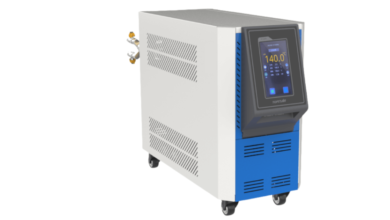
A household adding a standalone chiller-based cold plunge should budget $4,000 to $8,000 for the full first year, covering the unit itself, a dedicated electrical circuit, delivery, and typical monthly running costs. A household starting with a basic ice-only tub can be in for as little as $400 to $900, trading a lower price for the ongoing hassle of sourcing and hauling ice for every session.
Picking the Unit: Where Most of the Budget Goes
The unit itself is the largest single line item, and pricing spans a wide range depending on tank material, chiller power, and included filtration. A mid-range standalone chiller unit typically lands between $3,500 and $6,500 before anything else is added. It is worth comparing full spec sheets rather than headline price alone, since two units at a similar price point can have meaningfully different chiller capacity and filtration quality. Retailers such as SweatDecks list tank material, chiller wattage, and filtration type together on each product page, which makes that comparison faster than requesting spec sheets from several manufacturers separately. Financing is worth asking about too, since several sellers now offer installment plans on units above a certain price, which can turn a $5,000 purchase into a monthly payment closer to what a gym membership or a wellness subscription would cost.
The Electrical Work Nobody Budgets For
Most residential chillers plug into a standard 120-volt outlet, but that outlet needs to be a dedicated, GFCI-protected circuit given how close it sits to standing water, and plenty of homes do not already have one in the right spot outdoors or in a garage. Having an electrician add a dedicated outdoor circuit typically runs $300 to $800 depending on distance from the panel. Larger or commercial-grade chillers sometimes require a full 240-volt circuit, which pushes electrical costs closer to what a sauna heater install would need. Skipping this and running a chiller off a shared household circuit is not just a code issue, it is also the most common reason a breaker trips mid-session. Getting a quote from an electrician before ordering the unit, rather than after it arrives, also gives a household a chance to reconsider tank size or chiller model if the electrical quote comes back higher than expected.

Getting It There and Set Up: Delivery and Placement Costs
Smaller inflatable and rotomolded units often ship via standard freight that a buyer can maneuver into place without help. Larger rigid tanks with a built-in chiller frequently require white-glove delivery, where a crew brings the unit to its final spot rather than leaving it curbside, which can add $150 to $400 depending on distance and any stairs or tight access points along the way. It is worth asking a seller directly whether delivery includes placement or just drop-off at the driveway, since that distinction is easy to miss when comparing listed prices. A narrow gate, a flight of exterior stairs, or a second-floor balcony all change what a delivery crew can safely handle, and flagging those details ahead of time avoids a surprise trip charge or, worse, a delivery that gets refused at the door.
Running Costs Once It’s Actually in the Yard
Ongoing costs break into three categories: electricity to run the chiller, filter cartridges or sanitation supplies, and occasional water changes depending on filtration quality. Most households see $15 to $40 added to the monthly electric bill, with colder climates and less-insulated tanks landing at the higher end. Filter cartridges typically run $40 to $60 and need replacing every one to two months with regular use. An insulated cover, often sold separately for $100 to $200, cuts electricity use noticeably by keeping the chiller from fighting ambient air temperature between sessions, and tends to pay for itself within a year for anyone using the plunge several times a week. Some owners skip the cover initially to save money, then add it after the first winter electric bill comes in higher than expected, which ends up costing about the same as buying it upfront once the higher bills are factored in.
Where People Cut Corners, and Why It Usually Backfires
The most common corner cut is skipping the dedicated electrical circuit and running the chiller off whatever outlet happens to be nearby, which risks nuisance tripping and, in a worst case, a real safety issue given the water proximity. The second most common is skipping the insulated cover to save $100 to $200 upfront, which usually costs more than that back in extra electricity within the first year alone. Buying the cheapest available chiller without checking its actual cooling capacity in gallons per hour is the third, and it typically shows up as a tank that never quite reaches target temperature during peak summer heat, right when it would get used the most.
Is the Total Cost Actually Worth It?
That depends heavily on how consistently a household actually uses it, which is the same pattern that shows up in the broader thermal stress research. A review looking at both heat and cold exposure on the body, focused mainly on Finnish sauna practices, found consistent physiological responses worth documenting across repeated exposure, and a related review of sauna bathing benefits found cardiovascular associations tied specifically to regular, sustained use rather than occasional sessions. Cold-water immersion research on its own remains genuinely mixed, particularly on whether it helps or actually blunts strength gains after resistance training, so a full $4,000 to $8,000 setup makes far more sense for a household that will use it several times a week than for one hoping a single purchase will produce results on its own.
Frequently Asked Questions
What is a realistic total first-year cost for a cold plunge? Budget $4,000 to $8,000 for a chiller unit including electrical work, delivery, and a year of running costs. An ice-only setup can run $400 to $900.
Does a cold plunge need special electrical work? Most chillers run on a dedicated, GFCI-protected 120-volt circuit. Larger units may need a 240-volt circuit requiring an electrician.
How much does it cost to run a chiller monthly? Most households see $15 to $40 added to the electric bill, depending on climate and usage. An insulated cover reduces that noticeably.
Is delivery included when buying a cold plunge? It depends on the seller and unit size. Larger units often need white-glove delivery, which can add $150 to $400.
References
- Effects of heat and cold on health, with special reference to Finnish sauna bathing, American Journal of Physiology, 2018
- Cardiovascular and Other Health Benefits of Sauna Bathing: A Review of the Evidence, Mayo Clinic Proceedings, 2018
- Clinical Effects of Regular Dry Sauna Bathing: A Systematic Review, Evidence-Based Complementary and Alternative Medicine, 2018