
Buying a private home in Singapore represents a major financial milestone, but finding the perfect condominium requires deep research. When evaluating hot new launches like the Thomson Reserve Residences you cannot afford to rely on marketing brochures alone. Property agents possess insider knowledge, but they will only share what you ask them. Asking the right questions helps you cut through the sales pitch and identify genuine value. To protect your hard-earned capital, you must approach viewings with a strategic checklist. Here are seven critical questions to ask your property agent when hunting for a Singapore condo to ensure you make a secure, profitable, and highly satisfying investment.
What Does the Site Plan Reveal About Daily Living Conditions?
A glossy brochure easily masks potential daily annoyances, making a deep dive into the physical layout essential. Ask your agent to walk you through the Lentor Gardens site plan or the equivalent diagram for your target development. You need to know where the bin centers, substations, and barbecue pits sit relative to your prospective unit. A unit located directly above a playground or adjacent to the tennis court may suffer from constant noise pollution. Furthermore, analyze how block orientations affect natural light and wind flow.
Analyzing Unit Layouts
While studying the Vela Bay residences floor plan, ask if the layout maximizes cross-ventilation or if certain rooms will bear the brunt of the harsh afternoon west sun. Agents often highlight the beautiful swimming pool views, but they might gloss over the fact that your balcony directly faces a busy main road. By scrutinizing the site and floor plans together, you can identify which stacks offer the quietest environments and the most private outlooks. This step prevents buyers from committing to premium prices for units that suffer from layout bottlenecks or external disturbances.


How Does the Pricing Compare to Immediate Neighbors?
Singapore’s property market operates on highly localized data, where even a single street corner can change valuations. Ask your agent for a comparative market analysis that pits your chosen development against nearby resale and new launch projects. For instance, if you look at the Dunearn House price trends, you will see how heritage locations command specific premiums compared to suburban districts. Ask the agent to justify why the Thomson Reserve Residences might carry a higher or lower per-square-foot rate than adjacent properties.
Using Hard Data Over Hype
Is the premium due to superior construction materials, proximity to reputable schools, or upcoming transit links? A competent agent must provide hard transaction data from the Urban Redevelopment Authority (URA) to back up their claims. Do not accept vague statements about future appreciation potential without looking at historical transaction volumes in the immediate vicinity. Understanding these pricing dynamics ensures you do not overpay at the peak of the market. It also gives you leverage during negotiations, especially if neighboring developments offer similar amenities at a more competitive entry point.
What Distinguishes the Showflat from the Actual Delivered Unit?
Showflats are masterfully engineered to feel as spacious and luxurious as possible. When visiting the Lucerne Grand showflat, ask your agent specifically which interior features are ID (interior designer) treatments and which are standard provisions. Developers frequently use clever tricks, such as removing bedroom doors, installing thin mirrors, and using custom-built, downsized furniture to create an illusion of space. You must ask the agent to point out the actual locations of structural walls, pillars, and DB boxes, which cannot be moved or altered.
Verifying Technical Specifications
Additionally, verify the ceiling heights and the exact materials used for flooring and kitchen countertops. While the Pinery official website might list premium appliances, the actual contract specifications determine what you receive upon key collection. Ask your agent to cross-reference the showflat experience with the technical specifications in the Fact Sheet. Understanding these differences upfront prevents disappointment when you step into your completed home for the first time. It also helps you budget accurately for renovation costs, as you will know exactly what built-in carpentry and fittings require upgrades.
What Future Infrastructure Projects Are Planned Nearby?
A quiet green view today can easily transform into a noisy construction site tomorrow. Ask your agent to present the URA Master Plan for the surrounding area to identify zoned land uses. If you are reviewing the Lentor Gardens site plan, check if the adjacent empty plots are zoned for high-density residential use or commercial hubs. Future developments can block your views, reduce wind flow, and subject your household to years of construction noise.
Evaluating Long-Term Gains
On the positive side, upcoming MRT lines, business parks, or integrated transport hubs can significantly boost your property value. Ask your agent how these future developments will impact local rental demand and resale values over a five-to-ten-year horizon. For example, analyzing how historical infrastructure injections affected the Dunearn House price can provide a realistic blueprint for your investment’s growth. A proactive agent will help you balance the temporary inconvenience of nearby construction against the long-term capital gains of a transforming district. Buying into an area before infrastructure completes is a proven way to capture maximum capital appreciation.
See also: How Contractors Help Homeowners Avoid Common Renovation Pitfalls
Who is the Developer and What are the Expected Holding Costs?
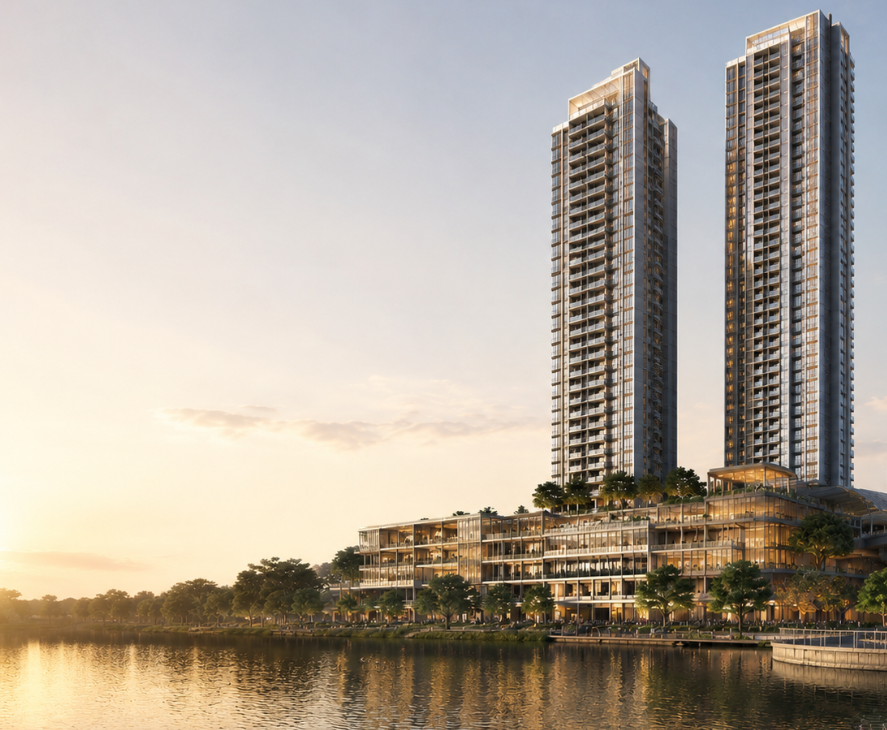
A condominium’s long-term viability depends heavily on the developer’s reputation and the ongoing costs of ownership. Ask your agent about the developer’s track record, specifically looking for past projects that have maintained their quality over time. Reviewing the Vela Bay residences floor plan or visiting the Lucerne Grand showflat can reveal the developer’s design philosophy and attention to detail. Ask for a realistic estimate of the monthly maintenance fund contributions, which are determined by the share value of your unit.
Calculating Ownership Expenses
Large developments with extensive landscaping and multiple pools often require substantial upkeep budgets. You should also verify the payment schedule, especially if you are purchasing a building under construction. Refer to the payment calculators on the Pinery official website to understand the progressive payment scheme milestones. Finally, ask your agent how the maintenance fees at the Thomson Reserve Residences compare to similar premium developments. High monthly fees can eat into your rental yield and deter future buyers when you decide to sell.
Conclusion
Purchasing a Singapore condominium is a complex financial commitment that requires careful due diligence. By asking these targeted questions, you protect yourself from emotional impulses and marketing hype. Your property agent is a valuable resource, but their insights are only as good as the questions you ask. Scrutinizing layouts, verifying pricing data, and researching future master plans will give you the confidence to make an informed decision. Whether you are looking at premium suburban launches or central luxury residences, thorough preparation remains your best asset. Take your time, analyze the data, and secure a home that serves as both a comfortable sanctuary and a robust financial investment for your future.