Cranes, Cycle Paths and Community Spaces: How Urban Development Reshapes Residential Neighbourhoods

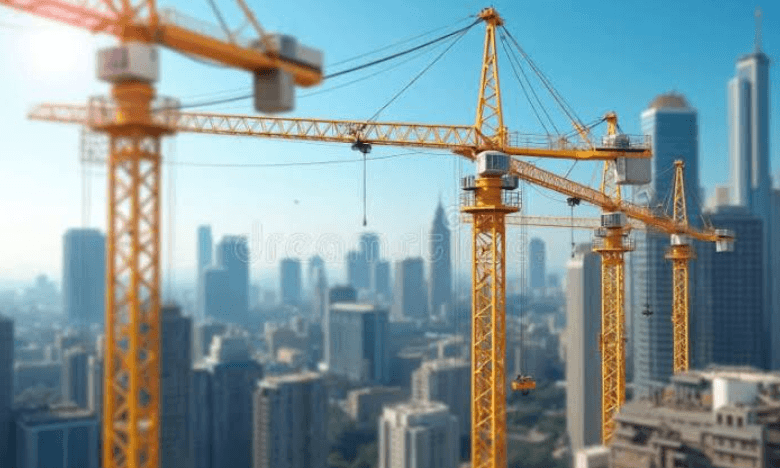
Anyone who has lived in the same Singapore neighbourhood for ten years has a version of the same story. A vacant plot becomes a construction site, the site becomes a block of homes, and the lane beside it turns into a covered walkway with a new bus stop. Nobody announced it dramatically. One day you simply notice that your own street has become a different place.
For buyers, this is both reassuring and complicating. Neighbourhoods are not fixed. The area you tour on a Sunday afternoon is a snapshot, and the surroundings you will live with in five years may look quite different. Understanding how urban development works is therefore part of choosing a home well, not an optional extra for planning enthusiasts.
Infrastructure Tends to Come First, and Daily Life Follows
New transport links, upgraded roads, drainage, utilities and pedestrian routes are usually the quiet foundation of neighbourhood change. They rarely make headlines at the time, yet they decide how easily people can move around once the surrounding buildings are finished.


This matters because convenience is often built in layers. A new station may encourage nearby retail to open. A new walking route may make a previously awkward area feel connected to its neighbours. A widened pavement may do more for everyday comfort than a grand landmark ever could.
Planning information for these projects is generally published by the relevant authorities well ahead of construction, which means buyers can learn a good deal without relying on rumour. The catch is that timelines shift, and a project described as upcoming may be completed earlier, later or in a slightly different form from the first announcement.
Public Spaces Are Doing More Work Than Ever
Think about the places in a neighbourhood that belong to nobody in particular and everybody at once: parks, plazas, libraries, community clubs, hawker centres, playgrounds, sheltered courts. They are where strangers become familiar faces.
As homes become more compact and households more varied, these shared spaces carry a heavier load. A small apartment feels larger when a pleasant park is five minutes away. A family without a garden can still have a place for weekend picnics. A retiree can meet friends without needing to book anything.
When assessing an area, it is worth asking whether public spaces are merely present or genuinely used. A well-designed plaza with shade, seating and activity around it tells you something different from a tidy but empty open area. Visit at different times and watch who turns up.
New Homes Bring New Neighbours, and New Demands
A fresh residential development does not simply add flats. It adds people, and people need things: schools, clinics, groceries, childcare, places to eat, services for pets, space for exercise. Over time, successful neighbourhoods tend to grow these facilities alongside the housing, though the sequence is rarely perfect.
Early residents of a developing area often experience a transition period. Some amenities arrive late, construction continues nearby, and the neighbourhood’s character is still forming. For some buyers that is an acceptable price for being part of something new. Others would rather settle in an established area where the rhythm is already clear.
Neither choice is wrong. The sensible step is to decide consciously, rather than discovering the transition phase after you have moved in and find the nearest decent supermarket is a long bus ride away.
Neighbourhood Needs Change as Communities Mature
Residential areas age. Young families grow up, older residents need easier access, working patterns change, and the facilities that suited a neighbourhood twenty years ago may need rethinking.
Several shifts are worth noticing. Barrier-free routes and sheltered walkways matter more as populations age. Flexible community spaces matter more as more people work from home some of the week. Cycling and walking infrastructure matters more where households want to rely less on cars. None of this is dramatic, but together these adjustments gradually change what a good neighbourhood looks like.
A smart buyer looks for areas that show signs of adapting: well-kept public facilities, clear investment in walkability, and a mix of housing types that keeps the community from becoming one-dimensional.
What This Means When You Are Shopping for a Home
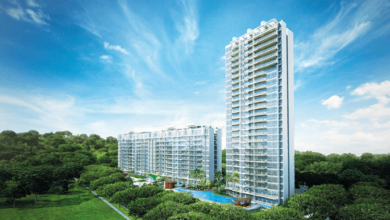
Development patterns can help explain why different neighbourhoods feel so different from each other. A buyer reading about Lentor Signature will be thinking about one kind of residential setting, while someone researching Tanjong Rhu Residences is exploring another part of the island with its own history and planning context. These are useful reference points precisely because they differ.
Treat project pages as an introduction and then do the groundwork yourself. Look at official land-use maps. Note what is described as existing, what is planned and what is merely proposed. Walk the surrounding blocks. Talk to people who live or work nearby. If a detail such as a distance, a facility or an opening date matters to your decision, confirm it through an official source rather than assuming it.
Reading Plans Without Over-Reading Them
There is a balance to strike here. Planning documents are helpful, but they are not promises about how your daily life will feel. A parcel earmarked for a park may arrive earlier or later than expected. A transport line may open in stages. A commercial site may become something different from what was first described.
So use plans to understand direction, not to predict specifics. Ask yourself whether you would be content with your home if the nearby developments arrived late, changed in scale or never appeared at all. If the answer is yes, your decision is on solid ground. If your happiness depends on one future feature materialising on schedule, that is a risk worth acknowledging.
Also remember that construction itself is part of urban development. Noise, dust and temporary diversions can last a while, and they affect the comfort of nearby homes. Visiting a site during working hours will tell you more than a calm weekend stroll.
Watching a Neighbourhood Change
The best vantage point is often a slow one. If you are not in a rush, return to the same area every few months before deciding. Notice which shops stay open, whether public spaces fill with people, how the streets feel at rush hour and whether new facilities appear.
Neighbourhoods rarely transform overnight, but they do move in recognisable directions. The one you choose today will keep shifting after you move in. Choose a place whose likely direction you are comfortable with, and you are much more likely to enjoy the changes when they arrive.