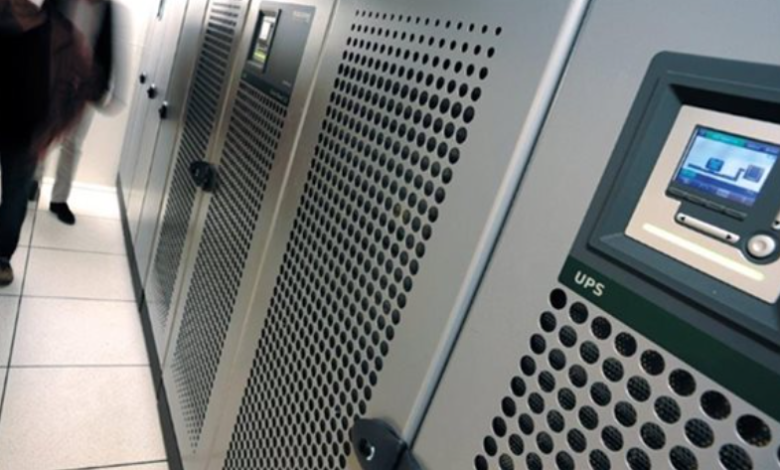
In today’s technology-driven world, uninterrupted power is no longer a luxury—it is a necessity. From homes and offices to data centers and hospitals, electrical stability plays a crucial role in protecting equipment and maintaining productivity. This is where a UPS uninterruptible power supply becomes essential. It acts as a safeguard against power failures, voltage fluctuations, and unexpected outages that can cause data loss or equipment damage.
This article provides a comprehensive understanding of how a UPS uninterruptible power supply works, its types, benefits, applications, and how to choose the right one for your needs.
What Is a UPS Uninterruptible Power Supply?
A UPS uninterruptible power supply is an electrical device that provides emergency power to connected equipment when the main power source fails. Unlike generators, which take time to start, a UPS delivers instant backup power using stored energy in batteries. This immediate response ensures continuous operation and safe shutdown of sensitive systems.


UPS systems are designed not only to supply backup power but also to regulate voltage, filter electrical noise, and protect against surges.
See also: How Contractors Help Homeowners Avoid Common Renovation Pitfalls
How a UPS Uninterruptible Power Supply Works
A UPS uninterruptible power supply continuously monitors incoming electricity. When it detects abnormalities such as power loss, voltage drops, or spikes, it switches to battery mode instantly. The internal inverter converts stored DC battery power into AC power, allowing connected devices to continue running without interruption.
The system typically includes:
- Batteries for energy storage
- A rectifier to convert AC to DC
- An inverter to convert DC back to AC
- Control circuitry to manage power flow
Types of UPS Uninterruptible Power Supply
Understanding the different types of UPS systems helps in selecting the right solution.
Standby UPS
This is the most basic type of UPS uninterruptible power supply. It remains idle until a power issue occurs, then switches to battery power. It is commonly used for personal computers and small office equipment.
Line-Interactive UPS
This type offers better voltage regulation by adjusting minor power fluctuations without switching to battery. A line-interactive UPS uninterruptible power supply is ideal for small servers, networking devices, and office environments.
Online (Double-Conversion) UPS
An online UPS uninterruptible power supply continuously converts incoming AC power to DC and back to AC, ensuring complete isolation from power disturbances. This type is used in critical environments such as data centers, medical facilities, and industrial operations.
Key Benefits of a UPS Uninterruptible Power Supply
A UPS system provides several important advantages:
Protection Against Power Outages
It ensures continuous operation during blackouts, preventing sudden shutdowns.
Data Loss Prevention
By allowing safe shutdown of systems, a UPS uninterruptible power supply protects valuable data from corruption or loss.
Voltage Regulation
UPS systems stabilize voltage, protecting sensitive electronics from surges and brownouts.
Equipment Longevity
Consistent and clean power reduces wear and tear on electronic components.
Business Continuity
For businesses, UPS systems minimize downtime and maintain productivity during power disruptions.
Applications of UPS Uninterruptible Power Supply
UPS systems are used across various sectors due to their reliability and versatility.
Home Use
Protects computers, routers, gaming systems, and home office equipment.
Offices and Businesses
Ensures uninterrupted workflow, secure data storage, and reliable communication systems.
Data Centers
Maintains continuous power for servers and networking equipment.
Healthcare Facilities
Supports life-saving medical equipment and critical monitoring systems.
Industrial Environments
Prevents damage to automation systems and manufacturing processes.
How to Choose the Right UPS Uninterruptible Power Supply
Selecting the correct UPS depends on several factors:
Power Capacity
Calculate the total wattage or VA rating of devices to be connected.
Backup Time
Determine how long the UPS should supply power during an outage.
Type of UPS
Choose between standby, line-interactive, or online based on power sensitivity.
Scalability
Consider future expansion needs.
Battery Maintenance
Look for systems with easy battery replacement and monitoring features.
Maintenance and Best Practices
To ensure optimal performance of a UPS uninterruptible power supply:
- Regularly test the system
- Replace batteries as recommended
- Keep the UPS in a well-ventilated area
- Avoid overloading the unit
- Monitor alerts and warning indicators
Frequently Asked Questions (FAQs)
What is the main purpose of a UPS uninterruptible power supply?
The main purpose is to provide immediate backup power and protect equipment from electrical disturbances.
How long can a UPS provide backup power?
Backup time depends on battery capacity and load, ranging from a few minutes to several hours.
Is a UPS better than a generator?
A UPS provides instant power without delay, while generators are suitable for long-term outages but take time to start.
Can a UPS uninterruptible power supply protect against power surges?
Yes, most UPS systems include surge protection and voltage regulation features.
How often should UPS batteries be replaced?
Typically every 3 to 5 years, depending on usage and environmental conditions.
Can I use a UPS for all my home appliances?
UPS systems are best suited for electronic devices; high-power appliances require specialized solutions.
Conclusion
A UPS uninterruptible power supply is a critical investment for anyone who relies on electronic systems and uninterrupted power. Whether for home use, business operations, or critical infrastructure, a UPS ensures stability, protection, and peace of mind. By understanding its types, benefits, and proper selection, you can safeguard your equipment, prevent data loss, and maintain continuous operations even during unexpected power disruptions.